
A Cultural Rebirth That Still Shapes Modern Life
What Was the Renaissance?
The Renaissance, meaning “rebirth,” was a cultural movement that began in Europe during the 14th century and continued into the 17th century. It marked a time when art, science, philosophy, and literature flourished after the long period known as the Middle Ages. Scholars rediscovered the ideas of ancient Greece and Rome and used them to inspire new ways of thinking.
Many influential figures emerged during this period, including:
- Leonardo da Vinci – painter, inventor, and scientist known for the Vitruvian Man and Mona Lisa
- Michelangelo – creator of the Sistine Chapel ceiling and the sculpture David
- Galileo Galilei – astronomer who advanced the study of the universe
- Niccolò Machiavelli – political thinker who wrote The Prince
These individuals helped shape the foundations of modern art, science, and political thought.
Renaissance Humanism: A New Way of Thinking
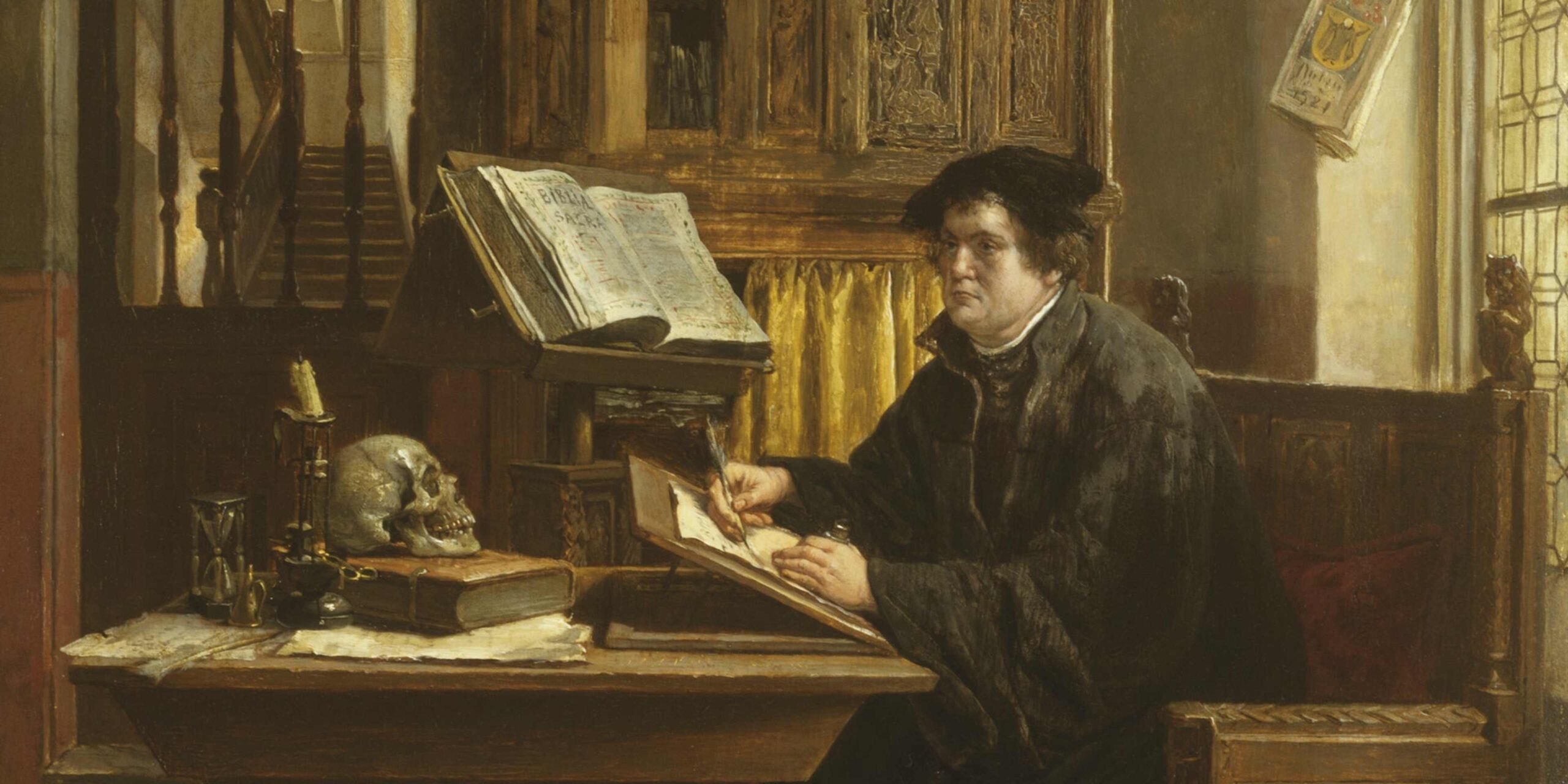
A key idea during the Renaissance was humanism. Humanism emphasized the value of human potential and encouraged people to study literature, philosophy, science, and art.
Rather than focusing only on religious teachings, Renaissance thinkers explored subjects such as:
- Mathematics
- Astronomy
- Anatomy
- Architecture
- Classical philosophy
This broader approach to learning encouraged creativity and critical thinking. People began to believe that education and curiosity could improve society.
The Modern-Day Renaissance
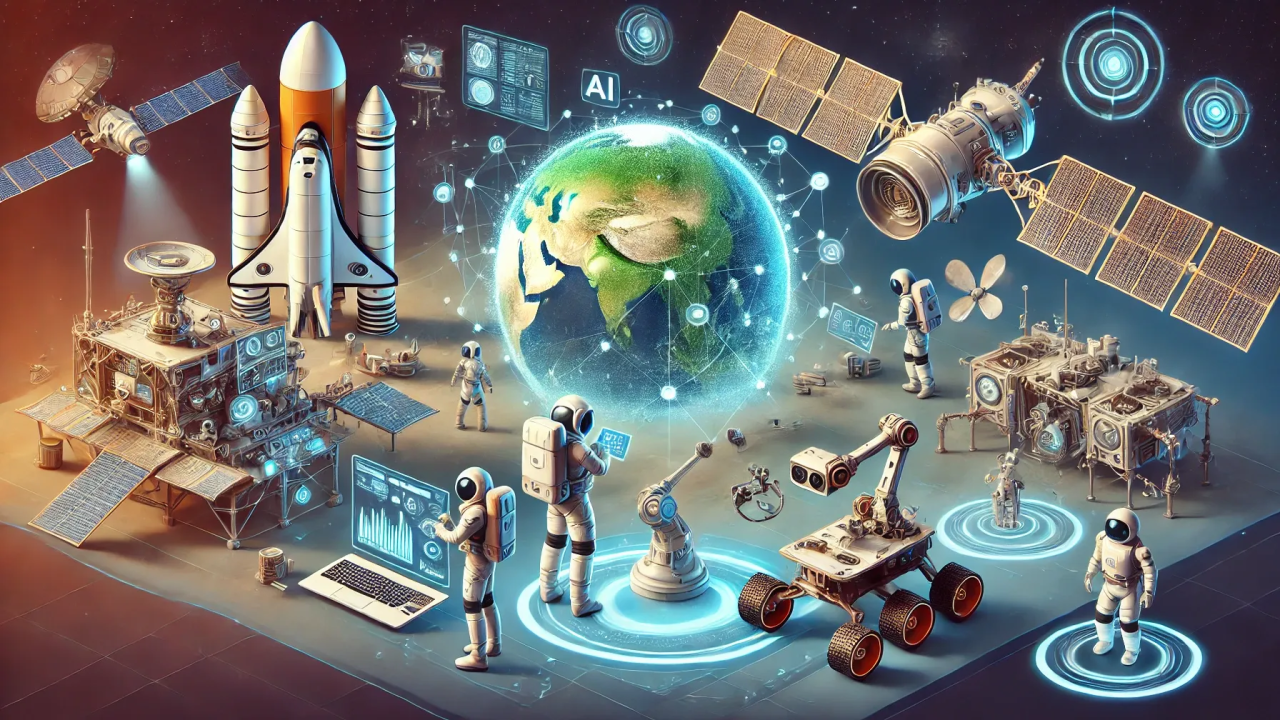

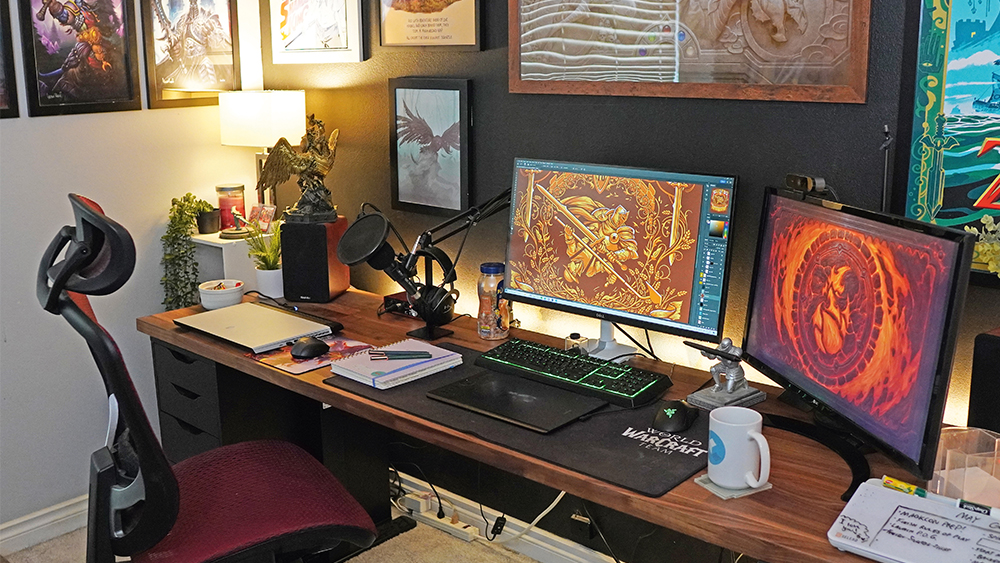
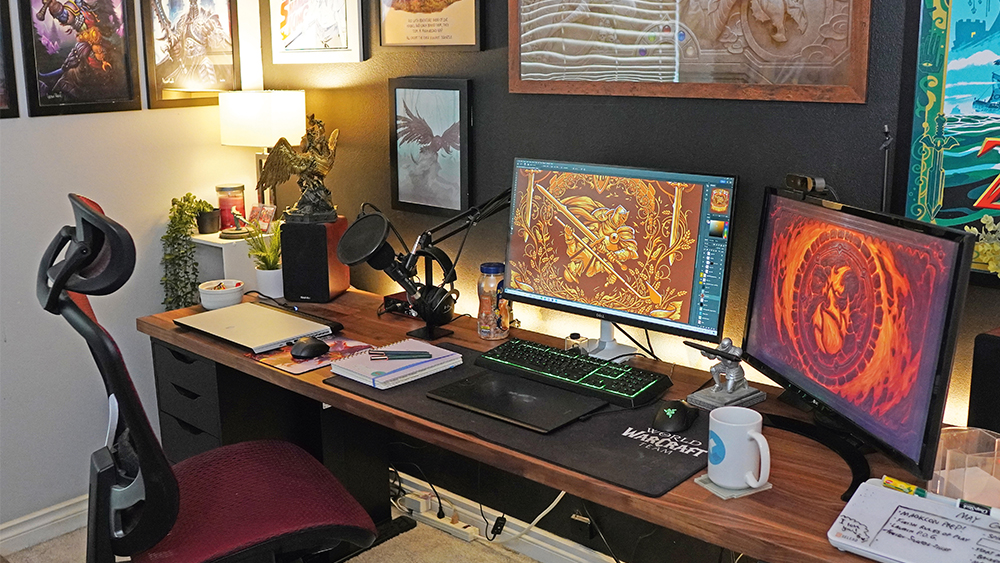
Many experts believe that today’s world is experiencing a modern renaissance. Instead of classical manuscripts and early scientific instruments, today’s renaissance is powered by digital technology and global communication.
Several forces are driving this contemporary rebirth of ideas:
Technology and Innovation
Artificial intelligence, space exploration, renewable energy, and biotechnology are transforming industries and expanding human knowledge.
Global Access to Information
The internet allows billions of people to access educational resources, scientific discoveries, and creative works instantly.
Creative Digital Expression
Artists and creators now use digital tools, animation, video platforms, and social media to share their work worldwide.
This rapid exchange of ideas resembles the explosion of creativity seen during the original Renaissance.
The Return of the Polymath
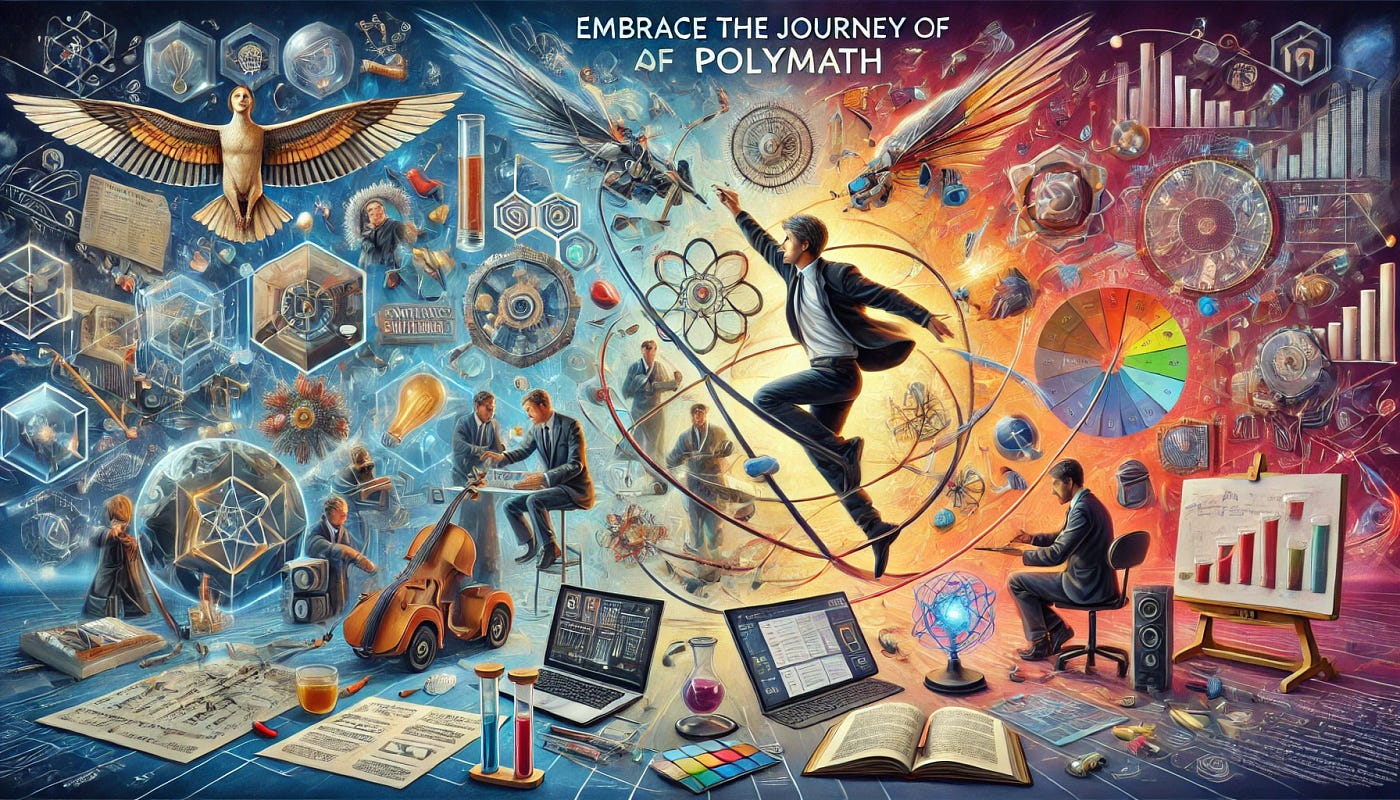

One of the most interesting parallels between the Renaissance and today is the rise of the modern polymath—someone skilled in multiple fields.
Just as Leonardo da Vinci combined art, engineering, and science, many modern innovators blend different disciplines. Today’s entrepreneurs and researchers may combine:
- Computer science
- Design and visual arts
- Engineering
- Business strategy
- Scientific research
This interdisciplinary approach often leads to groundbreaking discoveries and new industries.
Why the Renaissance Still Matters Today
The Renaissance reminds us that progress happens when curiosity, creativity, and knowledge come together. Its legacy continues to shape the way we think about education, innovation, and human potential.
Important lessons from the Renaissance include:
- Curiosity leads to discovery.
- Creativity inspires innovation.
- Education empowers individuals and societies.
- Collaboration accelerates progress.
Conclusion
Although the Renaissance occurred centuries ago, its spirit lives on today. The combination of technology, global communication, and creative exploration has sparked a new era of innovation and learning.
In many ways, the world is experiencing a contemporary renaissance, where ideas move quickly, creativity thrives, and individuals have greater opportunities than ever to shape the future.