
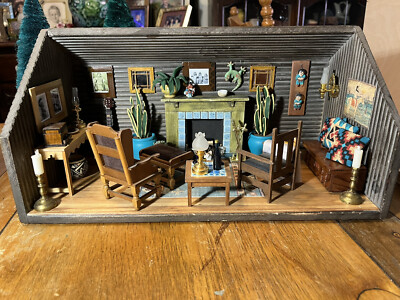
There’s something mesmerizing about realistic miniatures. Whether it’s a perfectly scaled café scene, a tiny workshop filled with tools, or a plate of miniature food that looks good enough to eat, these small-scale creations capture enormous detail and imagination.
Creating realistic miniatures is both an art and a discipline — blending sculpture, painting, architecture, interior design, and storytelling into one compact world.
Let’s explore how artists bring these tiny universes to life.
Why Realistic Miniatures Fascinate Us
Miniatures spark curiosity because they:
- Compress entire environments into the palm of your hand
- Invite close observation and discovery
- Create an illusion of reality through scale
- Evoke nostalgia and storytelling
When done well, a miniature scene doesn’t look like a toy — it looks like a frozen moment in time.
Understanding Scale: The Foundation of Realism
Realism begins with scale.
Common miniature scales include:
- 1:12 scale – 1 inch equals 1 foot (popular in dollhouses)
- 1:24 scale – Half-scale miniatures
- 1:48 scale – Quarter-scale
- 1:6 scale – Often used for collectible figures
Consistency is critical. A beautifully crafted tiny chair will look unrealistic if it’s slightly oversized next to a table.
Professional model makers use scale rulers, reference photos, and mathematical conversions to maintain precision.
Materials That Bring Miniatures to Life
Miniature artists work with a surprising range of materials:
- Polymer clay (for food and detailed objects)
- Balsa wood and basswood (for structures and furniture)
- Foam board
- Resin
- Fabric scraps
- Wire and metal
- Acrylic paints and pastels
- Everyday household items repurposed creatively
Texture is everything. Wood must look aged. Metal must look worn. Fabric must drape naturally — even at a tiny scale.
The Power of Texture and Aging
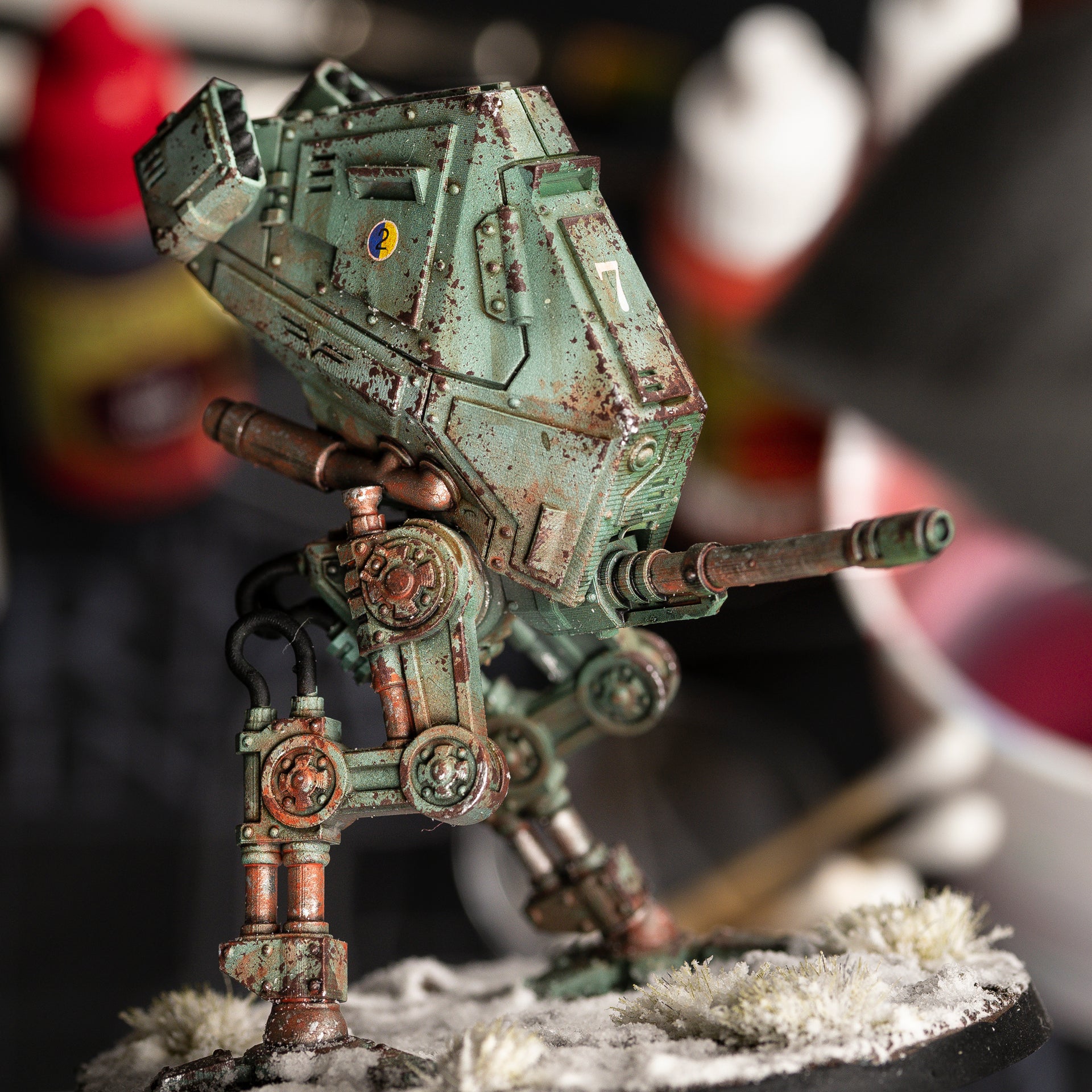
Realistic miniatures often look “lived in.” Artists achieve this through:
- Dry brushing to highlight edges
- Washes to add depth and shadow
- Sanding for worn surfaces
- Pigments for dust and dirt effects
- Layered paint techniques for peeling or chipped finishes
Perfection can actually ruin realism. Small imperfections add authenticity.
Lighting: The Secret Ingredient
Lighting transforms a good miniature into a breathtaking one.
Tiny LED systems are often installed to create:
- Warm ambient room lighting
- Flickering fireplace effects
- Neon shop signs
- Streetlamps for urban scenes
Shadows, glow, and contrast dramatically enhance believability.
Storytelling Through Details
What separates a miniature model from a realistic miniature world is narrative.
Ask yourself:
- Who lives here?
- What just happened in this scene?
- Why is that chair slightly pulled out?
- Why is there a half-written letter on the desk?
Story-driven details make viewers pause and imagine.
Tools of the Trade
Miniature artists often rely on:
- Precision craft knives
- Fine-tip brushes
- Tweezers
- Micro drills
- Cutting mats
- Magnifying lamps
Patience is the most important tool of all.
Famous Miniature Artists and Influences
Several artists have elevated miniature realism to fine art:
- Willard Wigan — Known for sculptures so small they fit inside the eye of a needle.
- Slinkachu — Famous for tiny urban scenes photographed in real-world settings.
- Tatsuya Tanaka — Creates daily miniature scenes blending everyday objects with tiny figures.
Their work proves miniatures are not just hobbies — they are powerful artistic expressions.
Common Challenges Beginners Face
- Maintaining consistent scale
- Achieving realistic proportions
- Avoiding overly glossy paint finishes
- Overcrowding scenes
- Rushing fine details
The solution? Slow down. Realism thrives in precision.
Tips for Beginners
- Start small — a single room instead of a full house.
- Use reference photos of real spaces.
- Study how light hits objects in real life.
- Practice texture techniques on scrap pieces first.
- Accept mistakes as part of the process.
Miniature art rewards patience and observation.
Why Miniatures Continue to Thrive
In a world dominated by digital experiences, miniatures offer something tactile and intimate. They invite us to lean in, to look closer, to appreciate craftsmanship.
They remind us that even the smallest spaces can hold immense creativity.
Final Thoughts
Creating realistic miniatures is about more than shrinking objects. It’s about capturing the essence of reality — atmosphere, emotion, and story — in a carefully constructed small-scale world.
When done well, miniatures don’t just look real.
They feel real.